
 Wishlist

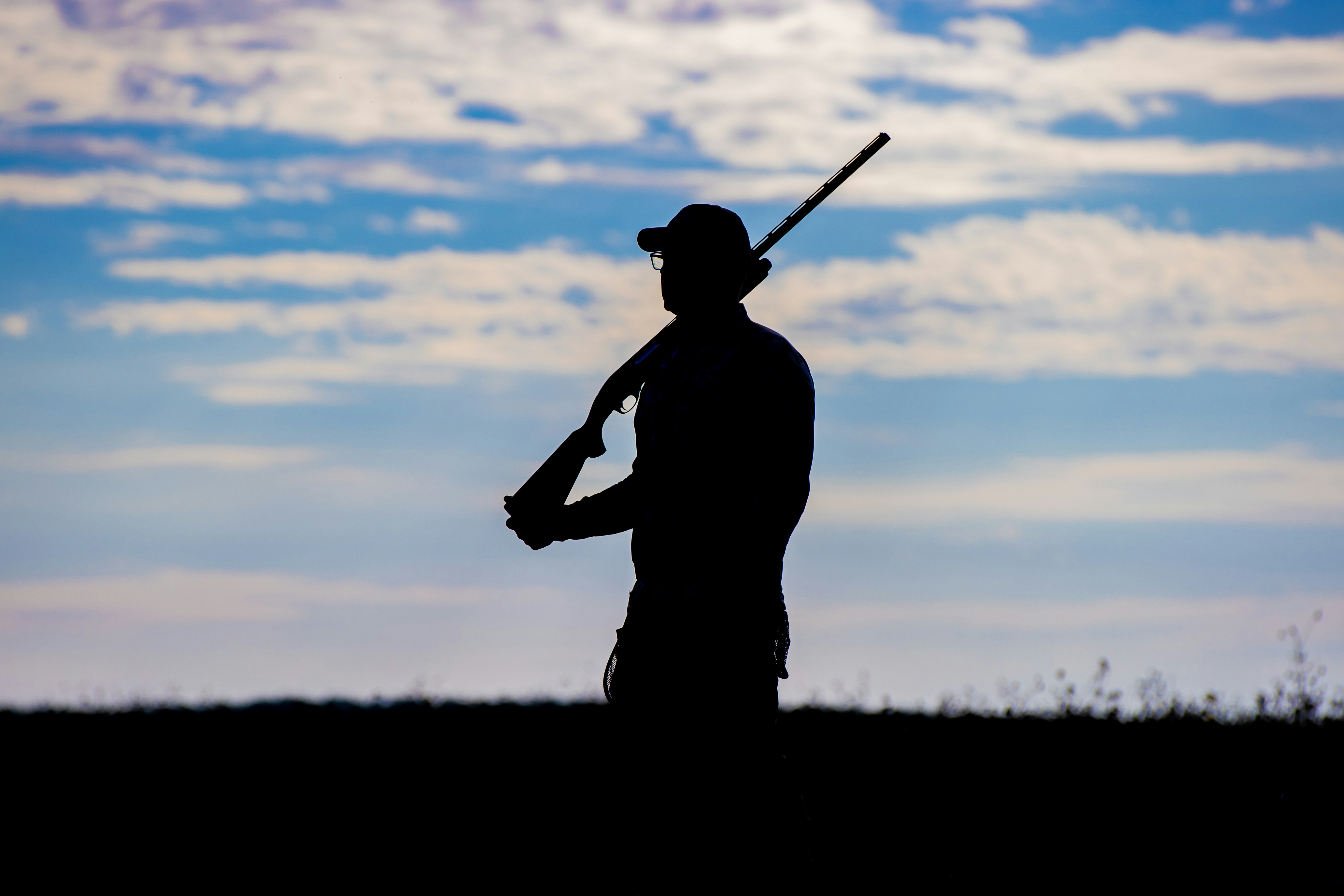
The 12 gauge is the most versatile shotgun a hunter can own. The same gun can take a dove, a mallard, a wild turkey, a whitetail or a coyote, but only if you load it with the right shell for each one. Grab the wrong box and you either wound game, wreck meat or fail to reach the bird at all.
This guide breaks down the best 12 gauge ammo for hunting by game, so you can match the load to the hunt. It covers shot sizes, steel versus lead versus bismuth, shell length, and specific recommendations for ducks, geese, upland birds, turkey, deer and coyotes. If you are stocking up for the season, you can check out current 12 gauge hunting ammo prices across retailers on Ammo Browser while you read.
The Short Answer: Best 12 Gauge Load by Game
- Ducks: steel No. 2, 3 or 4 shot (or bismuth No. 4 or 5), with an improved cylinder or modified choke.
- Geese: steel BB or BBB for large Canada geese, and steel No. 2 or BB for smaller geese.
- Doves: No. 7½, 8 or 9 shot.
- Quail and chukar: No. 6 or 7 shot.
- Grouse and partridge: No. 7½ or 8 shot.
- Pheasant: No. 4 or 5 shot.
- Turkey: No. 4, 5 or 6 shot in a 3-inch or 3½-inch turkey load, aimed at the head and neck.
- Deer: a slug (rifled or sabot, depending on your barrel), or 00 buckshot or larger for close-range drives.
- Coyotes: No. 4 buckshot, or BB shot in a magnum load, inside about 50 yards.
- Hogs and black bear: slugs, or 00 buckshot at close range.
- Squirrel and rabbit: No. 6 to 8 shot.
The rest of this article explains why, and how to make each load work in your gun.
12 Gauge Shot Size: What the Numbers Mean
Every 12 gauge hunting load falls into one of three families: birdshot, buckshot or slugs. Within birdshot and buckshot, the size number tells you the pellet diameter. For birdshot, the larger the number, the smaller the pellet. That means a shell holds many more No. 9 pellets than No. 1 pellets, but the small pellets lose speed and energy much faster.
Here is how the common birdshot sizes compare:
- No. 9: about .08 inch. Pest control, clay targets and very close small birds.
- No. 8: about .09 inch. Dove, rabbit and squirrel at close range.
- No. 7½: about .10 inch. A classic dove, grouse and partridge size.
- No. 6: about .11 inch. Quail, chukar and medium birds.
- No. 5: about .12 inch. Pheasant and long-range upland shots.
- No. 4: about .13 inch. Pheasant, turkey and ducks.
- No. 3: about .14 inch. Ducks and some geese.
- No. 2: about .15 inch. Ducks and geese at longer distances.
- No. 1: about .16 inch. Large waterfowl, and a rare size.
- BB: about .18 inch. Geese and large ducks.
Buckshot works in reverse. The pellets are far larger, and the number gets bigger as the pellet gets smaller:
- No. 4 buck: about .24 inch. Medium game, coyotes and some deer.
- No. 1 buck: about .30 inch. Deer.
- 00 buck: about .32 inch, usually about eight to nine pellets in a 2¾-inch shell. Deer, hogs and larger game.
- 000 buck: about .36 inch. Deer. Wideners notes it is not enough for moose or bear.
Slugs are the third family: a single heavy projectile that is the most powerful 12 gauge load, with no spread to help you.
Lead, Steel, Bismuth or TSS?
Pellet material matters as much as size, because denser shot hits harder at the same size.
- Lead is dense and affordable. It is the traditional choice for upland birds and turkey, but federal rules require non-toxic shot for waterfowl, and some public lands have broader restrictions. Check the regulations where you hunt.
- Steel is the standard non-toxic shot. It is hard, so it needs little choke to pattern well, but it is only about two-thirds as heavy as lead. That is why waterfowl hunters step up the shot size: instead of No. 4 lead, shoot No. 2 steel.
- Bismuth is denser than steel (about 9.6 g/cc versus 7.8 for steel). MeatEater’s Joe Genzel likes bismuth No. 4 and 5 for ducks and pheasants, and recommends buffered loads at longer range, since unbuffered bismuth can fracture.
- Tungsten alloys like Hevi-Shot (about 12 g/cc) are very effective at 45 to 60 yards, according to Genzel.
- TSS (tungsten super shot) is the densest at about 18 g/cc and is often called the ultimate bird killer. It is also very expensive, at $6 or more per shell, so most hunters save it for late-season geese, swans, sea ducks and turkeys.
Plating is another feature you will see. Nickel or copper plating on lead shot does not make it much harder, but it helps pellets flow through tight chokes and deform less, which tightens patterns.
Shell Length: 2¾, 3 or 3½ Inches?
The 2¾-inch shell is the standard 12 gauge. It is available in nearly every hunting load, and it is what most guns are chambered for. The 3-inch magnum was introduced in the late 1920s and carries more shot, and the 3½-inch magnum followed in 1988 when Federal and Mossberg introduced it together.
Bigger is not always better. American Rifleman’s John Taylor argues that for ducks and geese within steel-shot range, 2¾-inch and 3-inch shells are more than adequate, because the 3½-inch loads carry more shot at the cost of lower velocity and much more recoil. A long-standing rule of thumb is that a shotgun should weigh 96 times the shot charge to be comfortable, which means a 2-ounce turkey load calls for a gun of more than 13 pounds.
Before you buy, always confirm your barrel’s chamber length. It is stamped on the barrel, and a 3½-inch shell does not belong in a gun chambered for 3 inches.
12 Gauge Duck Loads
Most duck hunters shoot steel, and the best 12 gauge duck loads depend on distance. These recommendations come from MeatEater’s Joe Genzel, who has patterned a wide range of loads over 20 years:
- Inside 35 yards: steel No. 3 or 4 with an improved cylinder choke is deadly on ducks. Bismuth No. 5 also works well.
- From 35 to 45 yards: steel No. 2 or bismuth No. 4, with a modified or improved modified choke.
- Past 45 yards: careful patterning is required. Hevi-Shot No. 2 or 4 is an excellent choice for 45 to 60 yards, and steel No. 2 is sufficient for ducks. If you shoot bismuth, use a buffered No. 4 load.
Watch out for velocity. Some manufacturers push steel loads past 1,500 fps, but Genzel found that too much powder can blow patterns, leaving only a few dozen pellets in a 30-inch circle at 40 yards. Ballistics experts generally put the ideal shotshell velocity at 1,200 to 1,400 fps, which also reduces recoil and flinching.
If you see duplex loads, which stack two shot sizes in one shell, treat them as a trade-off. A steel No. 2 and No. 4 duplex gives you reach and density, but fewer big pellets than a straight No. 2 load. Steel-tungsten duplexes can put 25 to 40 more pellets in the circle than standard steel, but they cost nearly $60 per box versus about $25 for steel No. 2.
12 Gauge Goose Loads
Geese are bigger, tougher and often farther away than ducks, so you need bigger pellets:
- Large Canada geese: steel BB inside 35 yards, and steel BBB from 35 to 45 yards.
- Lesser Canadas, specklebellies and snow geese: steel No. 2 inside 35 yards, and BB from 35 to 45 yards.
- Late-season, wary geese: TSS in No. 7½, 8 or 9 shot can penetrate the thick down and fat layer at longer ranges, though it is expensive.
Genzel caps his shooting distance at 60 yards, with rare exceptions, and stresses the value of off-season practice at sporting clays or five-stand, where shots are longer than on a skeet field.
12 Gauge Upland Bird Loads
Upland hunting is where picking the right shot size matters most, because the birds range from fragile doves to tough roosters. Using too much shot on a small bird ruins meat, while too little will not reach a pheasant. Here are the most common recommendations, from Mossberg’s bird hunting guide and Wideners:
- Doves: No. 7½, 8 or 9 shot. Doves are small and need very few pellets, and heavier shot can destroy the bird.
- Quail: No. 6 or 7 shot in a 1⅛- to 1¼-ounce load. Quail flush fast, so this gives you weight for distance without much meat damage.
- Grouse: No. 7½ or 8 shot. They are more fragile than pheasants and often let you get close.
- Pheasant: No. 4 or 5 shot. Roosters are tough, and the heavier pellets help at longer range, though they can damage meat at very close range. Wideners calls No. 5 the ideal pheasant size.
- Chukar: No. 6 or 7 shot.
- Partridge: No. 7½ or 8 shot.
For pheasants, American Rifleman describes the 2¾-inch heavy field load as the traditional standard: 1¼ ounces of shot at about 1,250 fps. A 2¾-inch version of the old 3-inch magnum, 1⅜ ounces at 1,350 fps, is a good choice for tough wild birds.
One more tip from American Rifleman: you rarely need much choke on upland birds. Improved cylinder is nearly universal, and modified is tight enough for almost all situations. Inexpensive promotional loads, typically 1 ounce at about 1,300 fps, can even give you a wider pattern on close birds.
12 Gauge Turkey Loads
Turkey hunting is a head-and-neck game, so the goal is a dense pattern of pellets with enough energy to penetrate at 30 to 40 yards. Turkey loads tend to be heavy and are usually offered in 3-inch and 3½-inch shells.
- No. 4 shot is a popular turkey load size, with larger pellets that carry good energy.
- No. 5 and No. 6 shot give you more pellets and denser patterns. Wideners notes that No. 6 can work on turkey if you hit the head.
- Mixed loads that combine No. 5, 6 and 7 shot are marketed to turkey hunters who need forgiving patterns where distances are hard to judge.
- Heavy payloads of 1¾ to 2 ounces are common in 3-inch and 3½-inch shells. They put more pellets in the pattern, but recoil is heavy, so make sure you can shoot the load accurately.
- TSS turkey loads are widely considered the top performer on stationary turkeys. MeatEater notes that TSS patterns are tight and dense, which rewards precise aiming, though the cost per shell is high.
For turkey, always pattern your gun with the exact load and choke you plan to hunt with. Pellet counts inside a 10-inch circle at your intended range are what matter, not the label on the box.
12 Gauge Deer Loads: Slugs vs. Buckshot
Never use birdshot on deer. Remington is blunt about it: birdshot will wound animals you cannot recover. For deer, your two choices are slugs and buckshot.
Buckshot
Buckshot works best on deer drives, where several hunters push deer toward standers and shots happen at close range. With multiple pellets in the air, you improve your odds of a hit. Remington recommends nothing smaller than 00 buck for deer, and Wideners lists No. 1 buck, 00 buck and 000 buck as deer loads. At a fixed stand, buckshot is a weaker choice because pattern spread limits your range.
12 Gauge Slugs
For stand hunting, slugs are the better choice. A 12 gauge slug is typically about 1 ounce of lead in a single projectile, and it delivers serious knockdown power and energy transfer. With a well-patterned gun, Remington says slug lethality can extend to 100 yards or more. Matching the slug to your barrel matters:
- Rifled slugs have grooves in the slug itself and are designed for smoothbore barrels. Remington warns against firing them from rifled barrels.
- Sabot slugs are smaller, lighter and more accurate at distance. They are designed for rifled barrels and have a rifling-spun projectile inside a plastic sabot.
Remington’s advice is simple. If you are not comfortable past 50 yards, a rifled slug works as well as a sabot. If you are comfortable at 100 yards or more, go with a sabot slug in a rifled barrel.
Before you pick, consider three things: the type of barrel on your shotgun, the typical shot distance where you hunt, and the longest distance you shoot accurately. Also check your state regulations, since some areas restrict deer hunting to shotguns with slugs or limit buckshot.
12 Gauge Coyote Loads
Coyotes are tough, and the best 12 gauge coyote loads put plenty of pellets on target at 50 yards or less. Backfire’s Jordan Buck, who has taken more coyotes with a 12 gauge than any other gun, recommends these loads:
- No. 4 buckshot: his favorite size, for a balance of energy and pattern density. Hornady’s Varmint Express No. 4 buck, with 24 pellets at 1,350 fps, is his top pick for 2¾-inch guns.
- BB shot in a magnum load: Hornady’s Heavy Magnum Coyote BB packs 75 nickel-plated pellets in a 3-inch shell. Winchester’s Varmint X BB is a similar 3-inch load with a polymer buffer to keep pellets from deforming.
- 00 buck: hits harder at distance, but with only about 12 pellets, patterns can leave vital gaps.
- Federal Vital-Shok No. 4 buck: a 2-ounce load with 41 pellets, slower at 1,100 fps and good to about 50 yards.
- Budget lead buckshot: cheap Remington Heavy Magnum No. 4 buck is typically a 30- to 35-yard load, because soft lead pellets deform and spread.
The key to coyote hunting is knowing your effective range. Buck recommends a simple test: shoot a paper plate at 30 yards, looking for a pattern with no baseball-size gaps. If it passes, move back in 10-yard increments until the pattern gets sparse, and treat that as your limit. If you cannot be sure of a clean kill, do not take the shot.
Hogs, Bear and Small Game
- Hogs: Wideners lists 00 buck as a good choice for heavy hogs, and slugs for both hogs and black bears. Keep shots close and place them carefully.
- Squirrel and rabbit: No. 6 to 8 birdshot is the standard. Wideners notes that No. 8 is effective on squirrels, rabbits and doves at close range, but leaves many small pellets in the animal.
Choke, Velocity and Patterning: Make the Load Work
The right shell only works if your shotgun patterns it well. Three practical habits matter more than the brand on the box:
- Pattern your gun. Shoot your exact load and choke at a paper target at the distance you expect to hunt. Every combination of gun, choke and load is different, and Genzel notes that he has seen patterns fall apart quickly at 40 yards and beyond.
- Do not over-choke. Modern shot cups, buffering and hard shot mean you need less choke than you think. Steel needs virtually none, and over-tight chokes can deform soft lead pellets and open patterns.
- Choose velocity wisely. Faster is not better. Loads in the 1,200 to 1,400 fps range tend to pattern best and are easier on your shoulder.
How to Choose the Right 12 Gauge Hunting Load
Start with the game, then the distance, then your gun:
- Match the load to the animal. Small, fragile birds need small shot. Tough birds and big game need bigger pellets or a slug.
- Match the shot to your range. Pellets lose energy with distance, so longer shots call for larger sizes or denser materials.
- Match the shell to your shoulder. A load you cannot shoot accurately is worse than a lighter one you can.
- Check local rules. Non-toxic shot, slug-only zones and shotgun barrel restrictions vary by state and by public land.
When you are ready to buy, compare current 12 gauge hunting ammo prices by load, shot size and price per round on Ammo Browser, and find the right shell for your next hunt.
12 Gauge Hunting Ammo FAQ
What is the best 12 gauge ammo for hunting?
It depends on the game. Steel No. 2 to 4 for ducks, steel BB for geese, No. 4 or 5 for pheasant, No. 4 to 6 for turkey, slugs for deer, and No. 4 buckshot for coyotes.
What shot size is best for ducks?
Steel No. 3 or 4 inside 35 yards, steel No. 2 from 35 to 45 yards, and Hevi-Shot or heavy steel beyond that.
What shot size is best for turkey?
No. 4, 5 and 6 are the most common turkey sizes, in 3-inch or 3½-inch loads, with a tight turkey choke. TSS is the premium option.
Can you use birdshot on deer?
No. Birdshot will wound deer without killing them cleanly. Use a slug or 00 buckshot or larger.
Slugs or buckshot for deer?
Buckshot suits close-range drives. Slugs are better at a fixed stand or when shots may reach 50 to 100 yards. Match the slug to your barrel: rifled slugs for smoothbores, sabot slugs for rifled barrels.
Do I need steel shot to hunt ducks?
Federal rules require non-toxic shot for waterfowl. Steel is the standard, and bismuth, Hevi-Shot and TSS are alternatives where legal.
What is the best 12 gauge load for coyotes?
No. 4 buckshot or a BB magnum load, within about 50 yards of a well-patterned gun.
Is a 3½-inch shell worth it?
For most hunting, 2¾-inch and 3-inch shells are enough. The 3½-inch magnums carry more shot, but they are slower, kick harder and cost more.
What choke should I use for hunting?
Improved cylinder is a good all-purpose choice for upland birds and close ducks. Modified or improved modified works at longer range, and a turkey choke is best for turkeys. Always pattern your own gun.
Ballistic figures are based on representative published factory ammunition specifications and calculated muzzle-energy values. Actual velocities and trajectories vary with barrel length, rifle, ammunition lot, and environmental conditions. Always check your local hunting regulations before you hunt, and make sure the load you choose is right for your firearm. Follow firearm and ammunition manufacturer guidance, and confirm your rifle's compatibility with the ammunition selected.