
 Wishlist

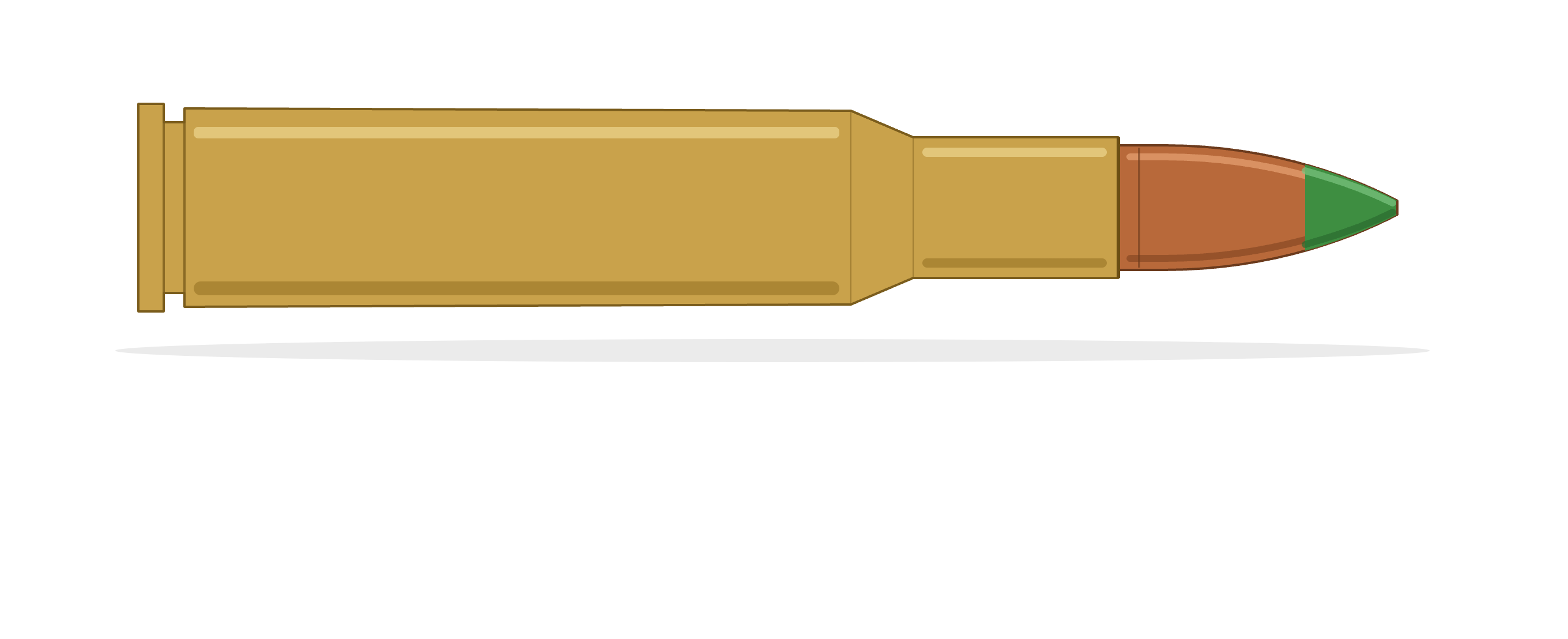
If you've ever browsed 5.56 NATO ammunition online, you've probably noticed boxes labeled M855, SS109, or simply green tip ammo. At first glance, these cartridges look like ordinary 5.56 rounds, except for the distinctive green paint on the end of the bullet. That small marking has generated years of discussion among shooters, particularly about penetration, accuracy, range restrictions, and whether green tip ammunition is actually worth buying.
Some shooters associate green tip ammo with military-grade performance, while others avoid it because their local range won't allow it. You'll also find plenty of confusion surrounding the steel penetrator inside the bullet, with claims that green tip ammunition is armor piercing, unusually powerful, or automatically superior to standard 5.56 ammunition. The reality is more complicated, and much of the confusion comes from misunderstanding what M855 was originally designed to accomplish.
Green tip ammunition is neither a magic upgrade nor a useless military leftover. It's a specific type of 5.56 NATO ammunition with a distinctive projectile construction, a long history of military use, and some meaningful limitations for recreational shooters. Understanding those differences can help explain why M855 remains popular, why certain facilities prohibit it, and why a traditional lead-core bullet may sometimes be the more practical choice.
Quick Answer: What Is Green Tip Ammo?
Green tip ammo most commonly refers to 5.56×45mm NATO M855 ammunition, which uses a 62-grain full metal jacket bullet containing a steel penetrator positioned ahead of a lead core. The green paint on the bullet's tip serves as an identification marking, helping distinguish it from other military ammunition types.
The steel component is the defining feature. Unlike a conventional lead-core FMJ bullet, M855 combines lead and steel inside a copper-alloy jacket. This construction was developed to meet military performance requirements, including penetration of certain light barriers under specified conditions.
However, green tip ammo is not automatically more accurate, more powerful, or better suited for every shooting activity. Its steel penetrator can damage targets and bullet traps, which is why many indoor ranges and some outdoor facilities prohibit it. Standard M855 is also different from M855A1, a newer military cartridge with a substantially different projectile design.
For ordinary recreational shooting, the most important questions are whether your firearm is chambered for 5.56 NATO, whether your range allows steel-penetrator ammunition, and whether M855 offers any practical benefit for the activity you have in mind.
What Is Green Tip Ammo, and Why Is the Bullet Painted Green?
The term green tip ammo comes from the painted nose of the bullet used in conventional M855 ammunition. In U.S. military marking conventions, the green tip helps identify the cartridge as a particular 5.56 NATO ball load rather than a standard 55-grain projectile. The paint itself has no special ballistic properties. It doesn't make the bullet harder, increase velocity, or change how the cartridge operates. Its purpose is identification.
M855 is closely associated with the NATO SS109 projectile design, developed during the transition toward heavier 5.56mm military ammunition around the late 1970s and early 1980s. Earlier U.S. military 5.56 ammunition commonly used the 55-grain M193 bullet, while the newer design adopted a 62-grain projectile with a steel penetrator. The change reflected evolving military requirements and the development of firearms designed around the newer ammunition standard.
The distinction between M855 and SS109 is worth understanding. SS109 refers to the projectile design associated with the NATO standard, while M855 is the U.S. military cartridge designation.
Commercial ammunition manufacturers frequently use terms such as M855, SS109, XM855, or green tip when marketing ammunition with similar characteristics, although packaging and exact specifications can vary.
Not every green-painted bullet is necessarily identical, and paint color should never be treated as a substitute for checking the ammunition's actual specifications. Manufacturers may use different markings for different products, particularly outside U.S. military conventions.
For most American shooters, however, green tip 5.56 means a 62-grain M855-style cartridge with a steel penetrator. That construction is what makes it different from ordinary lead-core 5.56 ammunition.
What's Inside a Green Tip Bullet?
The most important difference between M855 and conventional 5.56 FMJ ammunition is inside the projectile itself. A typical M855 bullet weighs approximately 62 grains and uses a copper-alloy jacket surrounding a combination of lead and steel. A hardened steel penetrator occupies the forward portion of the bullet, while lead makes up much of the remaining core.
This arrangement is different from a traditional 55-grain M193-style bullet, which generally uses a lead core enclosed by a copper-alloy jacket. Both are full metal jacket designs, but the internal materials are not the same. The steel insert in M855 gives the projectile different behavior when it strikes certain hard materials, particularly compared with a similarly constructed lead-only bullet.
It's important to distinguish a steel penetrator from an entirely steel-core projectile. M855 is sometimes casually described as steel-core ammunition, but that wording can create the impression that the entire bullet consists of steel. In reality, the projectile uses multiple materials, and the steel component occupies only part of its interior.
The green tip also doesn't mean the cartridge contains more powder or operates at unusually high pressure compared with other 5.56 NATO ammunition. Bullet construction, projectile weight, and cartridge loading are separate characteristics. Two cartridges can use similar amounts of propellant while firing bullets with very different internal designs.
This combination of materials helps explain both M855's reputation and its limitations. The steel penetrator is relevant to its performance against certain materials, but it also makes the ammunition less suitable for many steel-target systems and commercial shooting ranges.
Is Green Tip Ammo Armor Piercing?
One of the most common questions about M855 is whether green tip ammunition is legally considered armor piercing. The answer requires separating the projectile's physical construction from its classification under federal law.
M855 contains a steel penetrator and was developed with specific military penetration requirements in mind. However, the presence of steel inside a bullet does not automatically mean that every such cartridge is legally classified or regulated in the same way. Federal definitions consider factors such as projectile materials and construction, while statutory exemptions can affect how particular ammunition is treated.
There's also a practical distinction between a bullet containing a steel penetrator and one capable of defeating every type of protective armor. Different materials and protective systems are designed to withstand different threats, and a painted tip alone cannot establish how a particular projectile will perform against them.
The takeaway is that green tip ammunition has a specific legal and technical history. Calling it universally illegal armor-piercing ammunition is inaccurate, but so is assuming that all ammunition containing steel is treated identically under the law.
What Is Green Tip Ammo Used For?
M855 was originally developed for military use, with a projectile design intended to satisfy particular 5.56 NATO performance requirements. Its combination of a 62-grain bullet and steel penetrator distinguished it from the earlier 55-grain M193 design, and it became a familiar part of military ammunition inventories.
Today, commercial M855-style ammunition is also used for recreational target shooting and general rifle practice. Shooters who own compatible 5.56 NATO firearms may encounter it as factory-loaded ammunition sold in ordinary retail packaging or bulk quantities. Its widespread recognition, military association, and availability have helped maintain interest in the cartridge long after newer ammunition designs entered service.
For recreational shooting, however, M855's usefulness depends heavily on the facility. Paper-target shooting at a range that expressly permits steel-penetrator ammunition is different from shooting at steel plates or using an indoor facility with bullet traps designed for conventional lead-core projectiles. Many ranges prohibit M855 regardless of whether the shooter intends to use paper targets, because the projectile can still strike backstops, baffles, or other range equipment.
Green tip ammunition is also sometimes discussed in connection with hunting, but standard M855 is not designed as a controlled-expansion hunting projectile. Its full metal jacket construction and steel penetrator are not substitutes for ammunition designed to meet the terminal-performance and legal requirements of a particular hunting application. Some jurisdictions prohibit nonexpanding projectiles for certain game animals.
In other words, M855 is a recognizable military-derived cartridge that can also serve recreational purposes where permitted. Its intended design characteristics should not be confused with universal suitability.
Why Do Shooting Ranges Ban Green Tip Ammo?
One of the biggest disadvantages of green tip ammunition is that many commercial shooting ranges simply don't allow it. This is especially common at indoor facilities, although outdoor ranges may impose similar restrictions when steel targets, specialized backstops, or other equipment are involved.
The restriction is not usually about the green paint or the fact that the ammunition originated from a military specification. The concern is the steel penetrator inside the bullet and how that harder component interacts with equipment designed to stop conventional ammunition.
Damage to Steel Targets and Bullet Traps
Many shooting ranges use steel plates, bullet traps, and protective baffles to contain projectiles safely. These systems are designed and rated around specific ammunition types, velocities, and projectile constructions. When a harder steel-containing projectile strikes equipment that isn't designed for it, the result can be accelerated wear, pitting, or damage to critical components.
Conventional lead-core bullets generally deform differently on impact than projectiles containing hardened steel. That distinction matters because damaged target surfaces can create unpredictable fragment patterns and increase the risk of ricochets. A steel plate that becomes cratered or uneven may no longer behave as intended when struck by subsequent rounds.
The issue also creates significant maintenance costs for range operators. Replacing damaged targets, traps, and protective components is expensive, and repeated exposure to prohibited ammunition can shorten equipment life. For many facilities, banning green tip ammunition is a straightforward way to protect both customers and infrastructure.
Ricochets, Fragments, and Fire Risks
Range restrictions also address safety concerns beyond ordinary equipment wear. Hard projectile components can behave unpredictably when they strike certain surfaces, particularly if those surfaces are damaged, improperly rated, or positioned in ways that increase the possibility of deflection.
Sparks are another concern. Under some conditions, impacts involving steel components can generate sparks capable of igniting combustible material. This is particularly relevant at outdoor facilities during dry conditions and at indoor facilities where debris or residue may accumulate.
These risks do not mean every M855 round will ricochet or produce a fire. They mean the ammunition introduces hazards that range operators must account for when designing and maintaining their facilities.
The safest approach is simple: follow the facility's published ammunition restrictions. If a range prohibits green tip, steel-core, or steel-penetrator ammunition, that rule applies regardless of whether the cartridge is otherwise legal to own.
Green Tip Ammo Disadvantages: Why Some Shooters Avoid M855
Green tip ammunition has a recognizable history and a distinctive projectile design, but those characteristics don't necessarily translate into advantages for ordinary recreational shooting. In fact, several of M855's most notable features can become disadvantages depending on where and how the ammunition is used.
Range compatibility is the most obvious issue. A shooter who primarily visits an indoor range may find that green tip ammunition cannot be used there at all. Even outdoor facilities may restrict it because of steel-target damage or fire concerns. That limitation can make M855 less convenient than conventional lead-core FMJ ammunition, especially for someone who wants one type of practice ammunition accepted at multiple facilities.
Accuracy is another consideration. Standard M855 was developed around military ammunition requirements rather than the pursuit of the smallest possible groups in precision competition. Although individual rifles may shoot M855 quite well, it should not automatically be expected to match the consistency of dedicated match-grade ammunition. Differences in projectile construction, manufacturing tolerances, and rifle compatibility can all affect results.
M855 also lacks the controlled-expansion characteristics associated with many purpose-built hunting bullets. Its steel penetrator and full metal jacket construction were developed for a different purpose, making it a poor general substitute for hunting ammunition selected specifically for the intended game and applicable regulations.
Cost can be a disadvantage as well. Green tip ammunition is sometimes competitively priced, particularly when sold in bulk, but it isn't automatically the least expensive 5.56 available. If conventional FMJ ammunition costs less and is accepted at more ranges, M855 may offer little practical benefit for someone whose primary goal is affordable target practice.
These limitations don't make green tip ammunition defective or inherently inaccurate. They simply illustrate why a cartridge designed to satisfy one set of requirements may not be the best choice for every recreational activity.
Is Green Tip Ammo Accurate?
Green tip ammunition has a mixed reputation for accuracy, and some of that reputation is deserved. Standard M855 is not generally considered match-grade ammunition, but that doesn't mean every M855 cartridge produces poor groups or that every rifle will shoot it the same way.
Accuracy depends on the interaction between the ammunition and the firearm. Barrel quality, chamber dimensions, twist rate, projectile consistency, and manufacturing tolerances all influence results. Two rifles chambered for the same cartridge can produce noticeably different group sizes with identical ammunition.
Published testing illustrates how much variation can exist among M855-style loads. In one Shooting Illustrated comparison, eight commercially available SS109/M855-type loads were tested from the same rifle at 100 yards. Average group sizes varied substantially between manufacturers, demonstrating that the green tip designation alone doesn't tell a shooter how accurately a particular load will perform.
Outdoor Life's 2025 ammunition testing also found that a Lake City M855 load produced noticeably larger groups in some rifles than dedicated accuracy-focused ammunition. Those results reinforce the distinction between general-purpose military-style ball ammunition and cartridges manufactured specifically for precision shooting.
The 62-grain projectile also raises questions about barrel twist rates. M855 was developed alongside military rifles using faster twist rates than those found in some earlier 5.56 firearms. However, projectile stability depends on more than bullet weight alone, and no single twist-rate recommendation guarantees accuracy in every barrel.
For ordinary paper-target shooting, M855 may provide entirely acceptable results in a compatible rifle. For shooters whose priority is the smallest possible groups, a dedicated match load may be a more appropriate benchmark.
The important distinction is that M855 is not automatically inaccurate because it contains steel, but neither does its military pedigree guarantee exceptional precision.
Green Tip Ammo vs Regular 5.56: What's the Difference?
When shooters compare green tip ammunition with regular 5.56, they're often comparing M855 with traditional 55-grain M193-style ammunition. Both are familiar 5.56 NATO loads, but their bullet construction and intended specifications differ.
M193-style ammunition generally uses a 55-grain full metal jacket bullet with a lead core. M855 uses a heavier 62-grain projectile with a steel penetrator ahead of a lead core. That difference in internal construction is more significant than the green paint itself.
The two cartridges also have different ballistic characteristics, although exact velocities depend on the ammunition and firearm. M193-style loads often achieve higher muzzle velocities because of their lighter projectiles, while M855's heavier bullet and different construction influence its trajectory and performance. Neither is automatically superior in every circumstance.
For recreational shooting, the practical distinction often comes down to range restrictions. Conventional lead-core FMJ ammunition is generally accepted at a wider variety of facilities, while M855 may be prohibited because of its steel penetrator. That alone can make ordinary 55-grain ammunition a more convenient option for many range users.
There are also differences in how individual rifles handle the two loads. Some firearms produce tighter groups with one type than the other, and barrel characteristics can affect results. A cartridge's military designation doesn't eliminate the need to consider firearm compatibility and ammunition quality.
For readers interested in a deeper comparison of these two military-style cartridges, the differences extend beyond projectile weight and paint color. Their histories, specifications, and performance characteristics explain why both remain familiar names in the 5.56 ammunition market.
Is Green Tip Ammo the Same as M855A1?
No. M855 and M855A1 are different cartridges, and confusing them can lead to inaccurate conclusions about green tip ammunition.
Traditional M855 uses a 62-grain projectile containing a steel penetrator and a lead core inside a copper-alloy jacket. Its green-painted tip is a familiar identification feature.
M855A1, commonly called the Enhanced Performance Round, was developed later and uses a redesigned, lead-free projectile with different materials and construction. It is generally identified by a different exposed-tip appearance rather than the conventional green-painted nose associated with M855.
The distinction matters because discussions of M855A1's performance cannot automatically be applied to older M855 ammunition. The two cartridges were developed under different requirements and use different projectile designs.
Similarly, not every 62-grain 5.56 cartridge is M855. Manufacturers produce numerous 62-grain loads using conventional lead-core, bonded, expanding, and other projectile constructions. Bullet weight alone does not establish whether ammunition contains a steel penetrator.
When identifying ammunition, the manufacturer's product description and cartridge specifications are more reliable than assumptions based on bullet weight or color.
Is Green Tip Ammo Worth Buying?
Whether green tip ammunition makes sense depends on the shooter's priorities. M855 is a well-known military-style cartridge with a distinctive design, and commercially available versions may appeal to people interested in that history or in general recreational shooting where the ammunition is permitted.
However, its steel penetrator creates a practical limitation that should not be overlooked. If your usual shooting range prohibits green tip ammunition, purchasing it for routine practice offers little benefit. A conventional lead-core FMJ load that meets the facility's rules may be easier to use and more convenient.
Accuracy expectations also matter. Standard M855 can be suitable for general target shooting, but its designation does not guarantee match-grade consistency. Shooters interested in precision should evaluate ammunition according to demonstrated performance rather than assuming a particular bullet marking indicates superior quality.
Price is another factor. M855 may occasionally be offered at attractive bulk prices, but comparing the actual cost per round is more useful than relying on the cartridge's reputation. Availability, manufacturer quality, packaging, and range compatibility all affect its practical value.
The best approach is to understand what the ammunition actually is before deciding whether it fits your needs. Green tip's military background is interesting, but the most useful ammunition is the kind that is compatible with your firearm, permitted at your range, and appropriate for your intended activity.
Frequently Asked Questions About Green Tip Ammo
Does green tip ammo have a steel core?
Standard M855 contains a steel penetrator in the forward portion of the bullet, along with a lead core and copper-alloy jacket. Describing it as entirely steel-core ammunition is an oversimplification because the projectile contains multiple materials.
Is green tip ammo more powerful than regular 5.56?
Not necessarily. The green tip identifies a particular projectile design, not an automatic increase in cartridge pressure, muzzle energy, or overall performance. Actual ballistic characteristics depend on the specific load and firearm.
Can you shoot green tip ammo at an indoor range?
Many indoor shooting ranges prohibit M855 because its steel penetrator can damage bullet traps, backstops, and other equipment. Some facilities may have equipment rated for different ammunition types, but permission should never be assumed. Always follow the range's rules.
Is all 62-grain 5.56 ammunition green tip?
No. Many 62-grain 5.56 loads use different bullet constructions and do not contain the steel penetrator associated with M855. Projectile weight alone does not determine whether ammunition is green tip.
Is green tip ammo good for hunting?
Standard M855 is not designed as a controlled-expansion hunting bullet. Its suitability depends on the application and applicable hunting regulations, and it should not be assumed to perform like a purpose-built hunting projectile.
Final Thoughts: Green Tip Ammo Isn't Always Better
Green tip ammunition has earned a recognizable place in the 5.56 NATO world, but its reputation often overshadows what makes it different. The green-painted nose identifies a 62-grain M855-style projectile with a steel penetrator, a design rooted in military ammunition requirements rather than the needs of every recreational shooter.
That steel component is both the defining characteristic and the source of many practical disadvantages. It helps explain M855's distinctive construction, but it also creates restrictions at shooting ranges, raises concerns about target damage, and doesn't guarantee better accuracy than conventional lead-core ammunition.
For shooters who understand its characteristics and have access to facilities that permit it, M855 remains a familiar option. For ordinary range practice, however, standard lead-core 5.56 ammunition may be more convenient, especially when compatibility, cost, and range policies are the primary considerations.
The most important lesson is that a military designation or painted bullet tip doesn't automatically make ammunition superior. Knowing what is inside the cartridge, why it was designed that way, and where it can be used is far more valuable than the color on the bullet.
Whether you're researching green tip ammunition or comparing other common rifle cartridges, understanding the differences can help you make more informed decisions. Visit AmmoBrowser to compare ammunition prices from online retailers and explore available options for your next range visit.
This article is intended for general educational purposes and does not constitute legal advice. Always use ammunition that matches the cartridge designation and specifications approved by your firearm manufacturer. Follow all shooting-range rules, wear appropriate eye and hearing protection, and comply with applicable local, state, and federal laws. Ammunition classifications, firearm compatibility, and hunting regulations can vary by jurisdiction and application.